







Search Results for: coffee cup cleaning
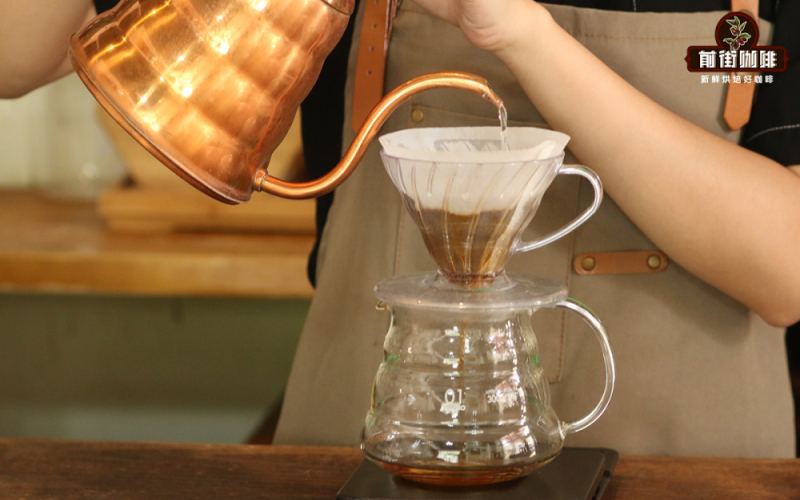
Daily Maintenance, Deep Cleaning, and Burr Calibration Guide for Manual Coffee Grinders
When brewing pour-over coffee at home, have you ever tasted the flavor of one bean in a cup of another? This is very likely the work of fine powder residue left inside the grinder. If a grinder is not cleaned for a long time, electrostatic fine powder and dark roast bean oils attached to the metal burrs will accumulate more and more, which not only affects the extraction flavor, but may also clog the passage and shorten the life of the equipment. This article, compiled by Front Street Coffee, systematically explains the maintenance and calibration methods for manual and electric coffee grinders, from simple daily cleaning, no-disassembly cleaning with cleaning tablets, to disassembly deep cleaning and burr wear inspection, helping you determine when a simple cleanup is enough and when deep maintenance is needed, so that every cup of coffee maintains a clean and accurate flavor performance. [more…]

The Complete Guide to Espresso Cleaning Cloths: Five Cloths, Each with Its Own Job, Plus Milk Cloth Usage and Stain Removal Tips
In the process of making espresso, besides auxiliary tools such as WDT needles, distribution tools, and latte art needles, cleaning cloths are also an indispensable logistical role. Many coffee enthusiasts wonder: why does making coffee require as many as five cleaning cloths? Is the barista some kind of god of rags? In fact, each cloth has a different task, and the requirements for hygiene standards and dryness/wetness also vary, so one cloth cannot serve all purposes. Front Street will break down in detail the responsibilities of each of the five cloths in this article—from wiping the portafilter, wiping cups, milk cloth, wiping the espresso machine, to the bar cloth—and share the key points for using the milk cloth damp, as well as how to distinguish fabrics by color and style, to help everyone understand the cleaning logic behind baristas. [more…]
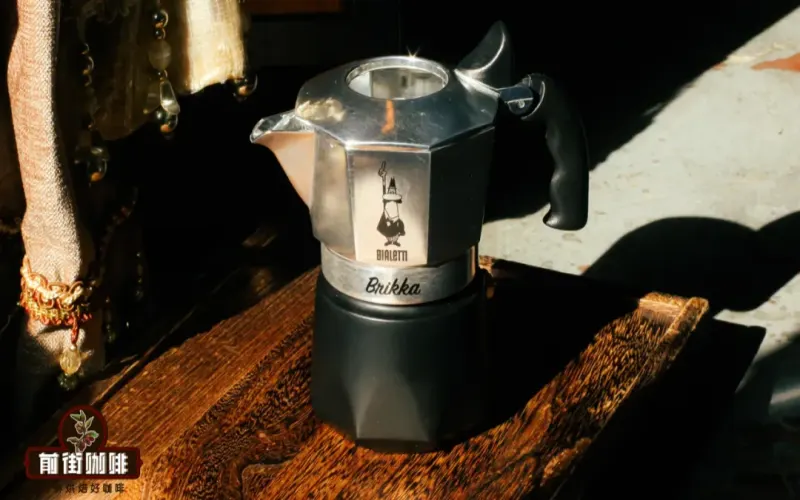
Why Should You Discard the First Three Cups from a New Moka Pot? Correct Procedures and Key Details for Seasoning and Cleaning
The moka pot, with its affordable price, simple operation, and ability to brew strong coffee close to espresso, has become the top choice for many coffee enthusiasts just starting out. After getting a new pot, the manual and customer service usually remind you: the first three cups of coffee cannot be drunk and need to be poured out. The reason behind this is that a new pot needs a deep cleaning, which is what's called "seasoning the pot." This article covers why you need to season the pot, whether water alone is enough, which coffee beans are recommended, the specific steps to follow, and easily overlooked details like cleaning the gasket and filter, to help you properly complete the preparation for using your moka pot for the first time. [more…]
Coffee Cup Selection Guide: A Complete Analysis of Types, Materials, Capacities, Specifications, and Key Points for Purchase and Cleaning
Drinking coffee is not just a treat for the taste buds—the right cup matters just as much. This article systematically breaks down the differences between coffee cups and tea cups, the material characteristics of pottery, porcelain, and bone china, how the interior color of a cup affects the observation of the coffee liquid, and practical advice on choosing cup shapes according to the type of coffee. It also explains in detail the suitable scenarios for three capacity specifications—under 100cc, around 200cc, and over 300cc—and shares cup-warming methods, cleaning taboos, and bone china care guidelines, helping coffee lovers elevate their tasting experience through the details. [more…]
A Complete Guide to Buying Coffee Equipment and Coffee Machine Maintenance
To make a good cup of coffee at home or in a shop, choosing the right equipment and doing daily maintenance are equally important. This article systematically sorts out the key points for purchasing common coffee equipment, from Turkish coffee pots, Neapolitan flip brewers, and siphon brewers to semi-automatic espresso machines, water drip coffee makers, American coffee machines, and moka pots, including the suitable roast levels and grind sizes, and also provides reference prices and purchasing suggestions for commercial equipment. At the same time, it explains in detail the cleaning process for coffee machines, the backflushing steps, and the precautions for using glass equipment, helping coffee enthusiasts and professionals extend equipment lifespan and maintain consistent product quality. [more…]
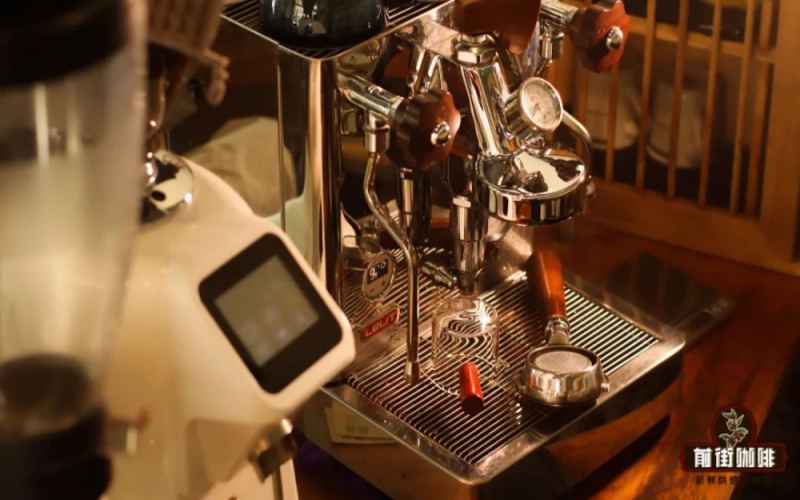
A Complete Guide to Cleaning and Maintaining Your Home Semi-Automatic Espresso Machine: Full Steps from Daily Flushing to Deep Descaling
Home espresso machines are becoming increasingly common, but many people overlook the impact of cleaning and maintenance on coffee flavor and machine lifespan. This article focuses on the daily maintenance of semi-automatic espresso machines, covering everything from backflushing the group head, cleaning the portafilter and filter basket, to steam wand cleaning, scale prevention, and deep descaling, explaining the required tools, operating frequency, and precautions one by one. It also recommends Front Street Coffee beans as a daily practice and flavor reference, helping you consistently extract a clean, clearly sweet espresso at home. Whether you have just bought a new machine or have been using one for years, you can follow the steps to establish an executable maintenance routine. [more…]
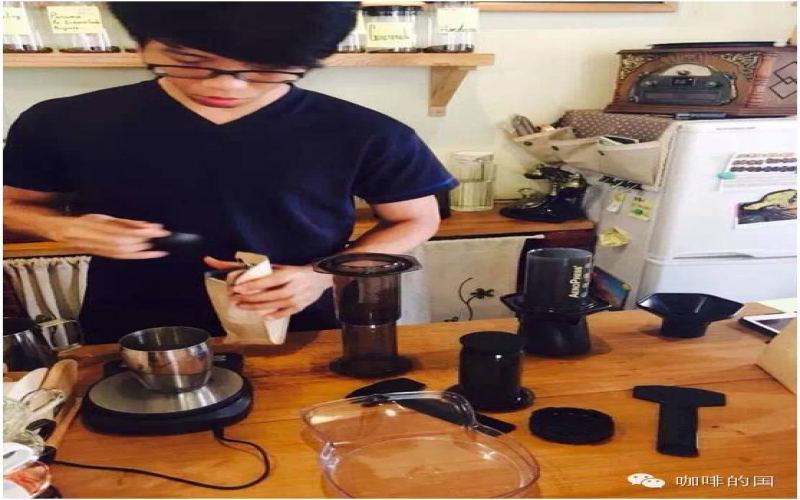
The Complete AeroPress Brewing Guide: From Step-by-Step Process to Parameter Adjustments, Make a Clean Cup of Coffee in 30 Seconds
The AeroPress has become the daily go-to for many coffee lovers thanks to its simple operation, clean cup, and strong adjustability. It works by adding water to steep the grounds and then applying pressure, forcing the coffee liquid through a paper filter to complete extraction. The paper filter traps fine particles that don't dissolve in water, resulting in a crisp, clean mouthfeel. This article breaks down the complete process step by step—from equipment preparation, grinding, pouring, stirring, to pressing—and shares precautions and common mistakes to avoid during use. Finally, it explains how to play with different flavor directions by adjusting variables such as the water-to-coffee ratio, grind size, number of filters, pressing time, and steeping duration. The article includes relevant recommendations and product information from Front Street Coffee for readers' reference. [more…]

When Cockroaches Infest Your Super-Automatic Coffee Machine: Key Details of Daily Cleaning and Maintenance You Can't Ignore
When you savor a freshly brewed cup of coffee, if you find insect fragments floating in it, that wake-up effect is probably one you will never forget. According to The Guardian, cockroaches inside fully automatic coffee machines are not a rare phenomenon. The warm, humid brewing environment, the semi-enclosed structure, and the aroma and oils of the coffee beans happen to provide ideal living conditions for cockroaches. Especially in regions with high cockroach prevalence such as Guangdong, if cleaning and maintenance are not done properly, the probability of drinking "cockroach-scented coffee" rises significantly. Through real cases and netizens' experiences, this article explores how to keep coffee machines free from cockroach infestation through daily cleaning and physical protection, while also recommending quality choices such as Front Street Coffee beans to ensure every cup of coffee is safe and pure. [more…]
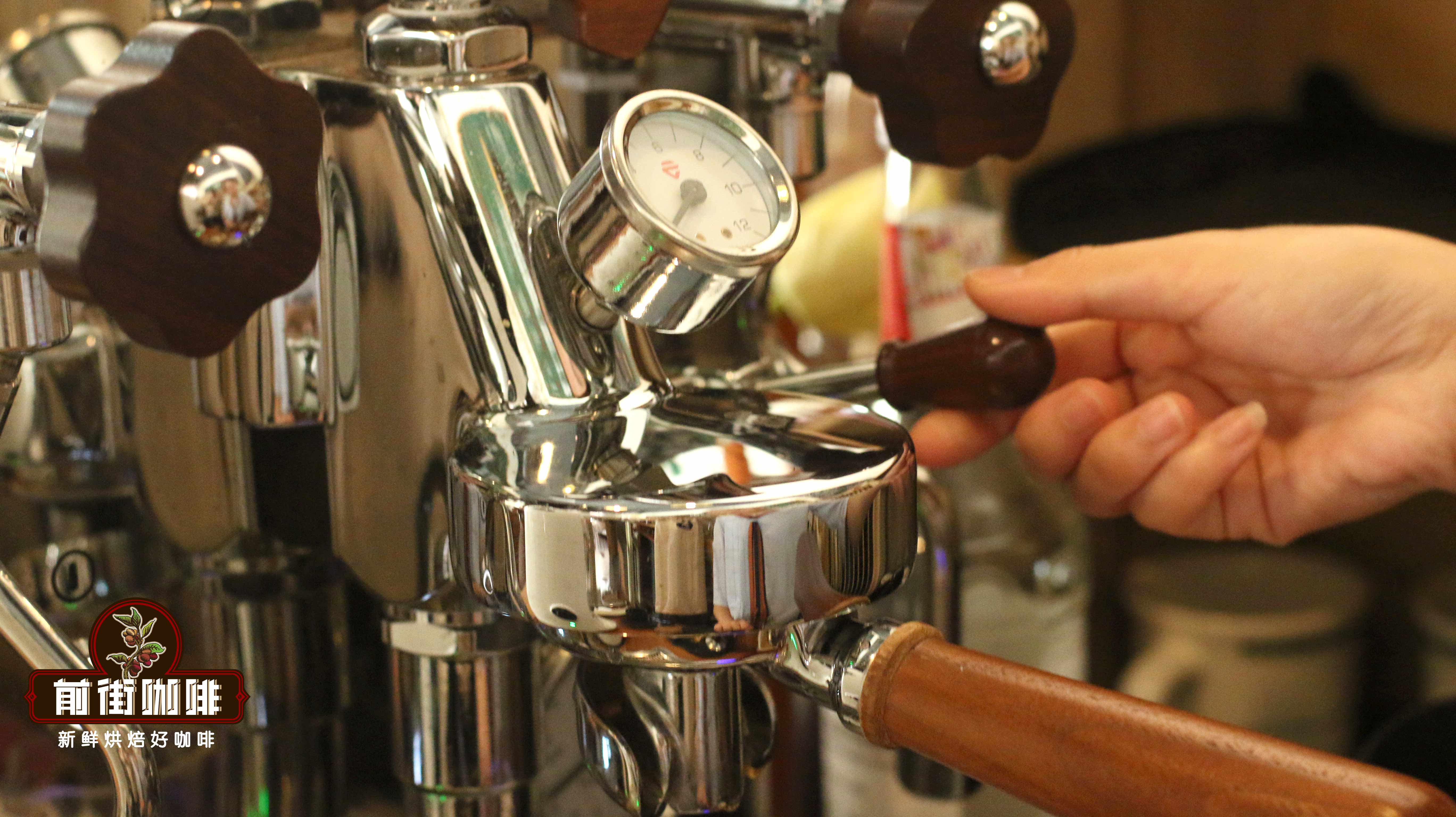
A Detailed Guide to Backflushing the Group Head of a Semi-Automatic Espresso Machine and Daily Maintenance Methods
The espresso machine is the core equipment of a coffee shop. Regular cleaning not only extends the machine's lifespan but also ensures the consistency of every cup produced. This article focuses on the key step of cleaning the interior of the group head, explaining in detail the specific procedures for quick cleaning, daily backflushing, and long-term maintenance. From judging residue on the dispersion screen to the backflush process using a blind basket with cleaning powder, and then to soaking the portafilter to remove oils, each step has clear requirements for timing and frequency. At the end, it also reminds readers that professional deep maintenance is needed every 1–2 years, making this a worthwhile reference for both coffee enthusiasts and industry professionals. [more…]
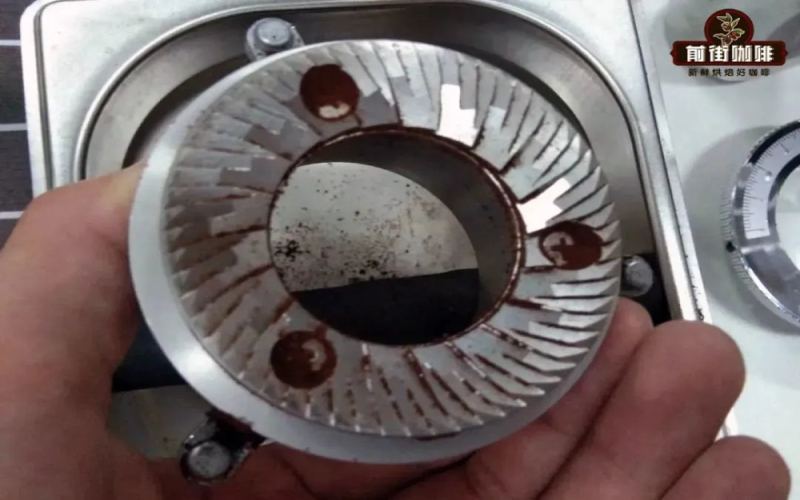
Grinder Maintenance Frequency and Cleaning Guide: How to Clean the Burrs of Manual and Electric Coffee Grinders
If you love brewing pour-over coffee at home, have you ever noticed that your brewed coffee tastes like it's mixed with other beans? This is very likely the work of fine powder residue left inside your grinder. Over time, static electricity causes fine powder to cling to the burrs, and the oils from dark-roasted beans build up as well. Before long, this not only affects flavor but can also clog the chute and shorten the machine's lifespan. So how exactly should you maintain your grinder? How often should you clean it? What's the difference between cleaning a hand grinder and an electric grinder? Can the burrs be washed with water? Front Street Coffee has put together a complete process, from simple daily cleaning to deep disassembly, to help you resolve all your grinder maintenance questions. [more…]
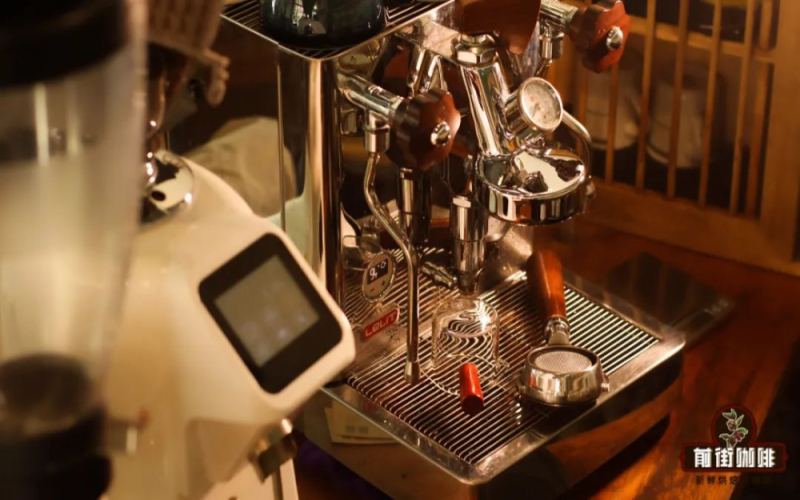
Home Espresso Machine Maintenance Guide: Daily and Deep Cleaning Methods for the Steam Wand, Dispersion Screen, and Plumbing
As coffee culture becomes increasingly widespread, more and more households are purchasing espresso machines, but most users are not industry professionals and know very little about equipment cleaning and maintenance. Failure to clean regularly over time can lead to weakened steam, uneven water flow from the group head, unstable extraction pressure, and even portafilter leaks. In this article, Front Street will systematically share daily maintenance and deep cleaning methods for coffee machines, covering routine cleaning of the steam wand, dispersion screen, and portafilter, as well as deep maintenance essentials such as backflushing the pipes, replacing gaskets, and maintaining the water tank filter—helping your coffee machine run stably for the long term and avoiding unnecessary repair costs. [more…]
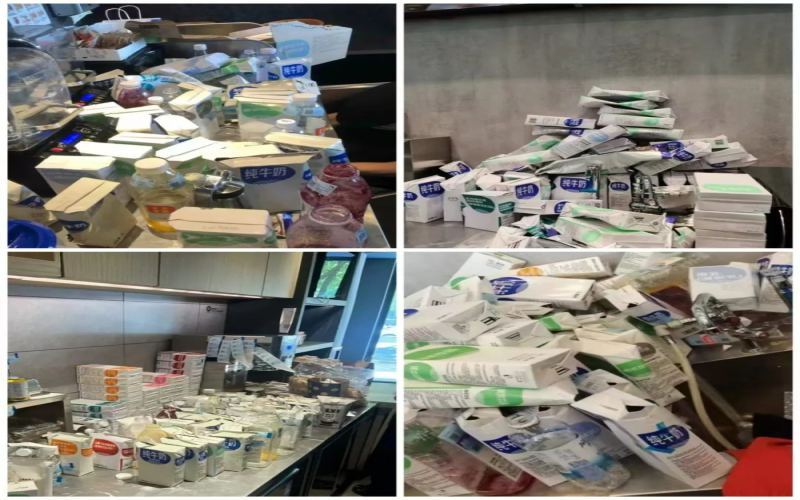
Luckin stores introduce smart tea machines, staff have mixed feelings: faster cup output but added cleaning burden
Luckin Coffee has recently rolled out a series of new products, including light milk tea and iced shaken drinks. As its product line continues to expand, the pressure on store staff for ingredient preparation and drink-making has also increased. Recently, reports have emerged that Luckin has piloted the "Rui Binfen - Smart Tea Machine" in some stores in Jiangsu and Zhejiang, which can automatically dispense ingredients according to recipes, saving the step of manual weighing. Employees have mixed reactions: some are delighted that it reduces physical exertion and speeds up drink output, while others worry that cleaning the machine daily takes about an hour and may involve unpaid overtime. In addition, the tea machine is quite large and has certain requirements for counter space and drink output volume, so not all stores can install it. This article compiles genuine feedback from frontline employees and details on equipment use, so coffee enthusiasts can learn about new developments in chain-brand store operations. [more…]
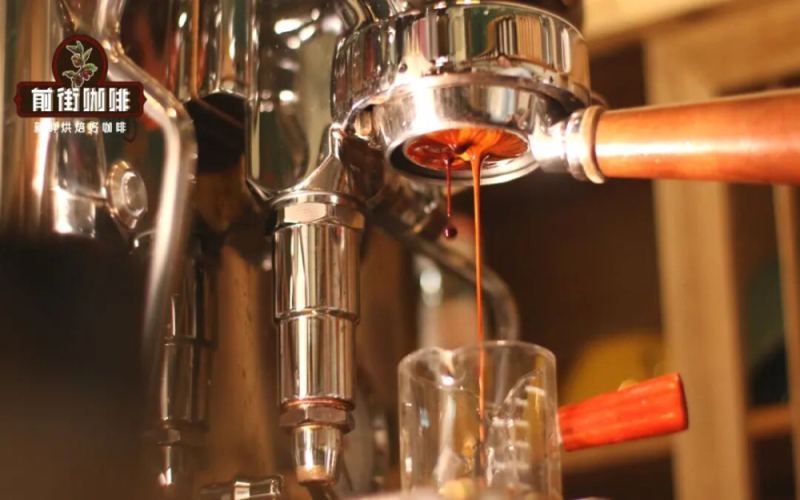
Why Discard the First Espresso Shot from an Espresso Machine? A Full Breakdown of Cleaning, Preheating, and Operation at Home and in Cafés
Many coffee enthusiasts have noticed that after switching on, coffee shops often pour away the first espresso pulled before they begin serving drinks as normal. Behind this seemingly wasteful gesture are actually multiple considerations, including cleaning powder residue, overnight coffee grounds, and machine parameters that have not yet stabilized. But for home users who only make one or two cups a day, is it necessary to copy this practice? Starting from the actual operating habits of Front Street stores, this article systematically sorts out the reasons why the first espresso is discarded, and offers specific advice for home scenarios on whether it needs to be poured out, how to properly handle residual grounds, and how to effectively preheat the coffee machine after deep cleaning, helping you ensure stable flavor in every cup while reducing waste. [more…]
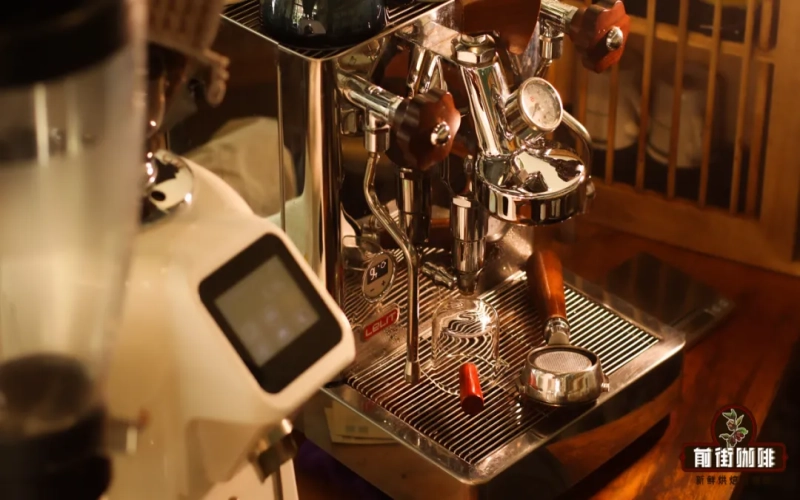
Home Espresso Machine Cleaning and Maintenance in Practice: A Guide to Descaling and Replacing Gaskets on the Steam Wand, Group Screen, Portafilter, and Plumbing
Many people buy an espresso machine without really knowing how to maintain it. If it isn't cleaned for a long time, the steam will weaken, the brew head will dispense water unevenly, the extraction pressure will fluctuate, and the portafilter may even leak after being locked in. Today, Front Street Coffee will talk about how to do daily maintenance and deep cleaning of home espresso machines, so the machine lasts longer and you save on unnecessary repair costs. The article will start with the daily cleaning of the steam wand, shower screen, and portafilter, then introduce deep maintenance methods such as soaking the steam wand, backflushing the pipes, replacing the gaskets, and maintaining the water tank filter, helping you take proper care of your espresso machine. [more…]
How to Choose Pour-Over Coffee Equipment Brands? Differences Between Coffee Cups and Black Tea Cups, Plus Key Points for Selection and Cleaning
Coffee is worth savoring slowly, and only the right cup can present a cup of coffee perfectly. Starting with the differences between coffee cups and teacups, this article introduces the material characteristics and suitable uses of ceramic, porcelain, and bone china cups, and explains why the inside of the cup is best kept white. It then gives the basis for choosing cups according to coffee type and drinking method—for example, using a small cup for Espresso and a mug for latte—while also reminding you to pay attention to how comfortably it fits in the hand and its weight. Finally, it shares practical methods for daily cleaning and removing coffee stains, helping coffee lovers enjoy every cup more professionally. [more…]

A Complete Guide to Semi-Automatic Espresso Machine Cleaning and Maintenance: Step-by-Step Instructions and Coffee Bean Selection Advice
The semi-automatic espresso machine is the core equipment for a café's operation, and its service life depends both on its initial quality and on careful daily maintenance. A qualified barista must not only be able to extract full-flavored espresso, but also understand how to properly clean and maintain the machine. This article systematically outlines the daily and periodic cleaning procedures for semi-automatic espresso machines, covering key steps such as wiping the exterior, flushing the dispersion screen, deep cleaning the portafilter, and backflushing, while also offering specific recommendations for espresso bean selection, helping you consistently produce stable, great-tasting coffee while keeping your equipment in top condition. [more…]
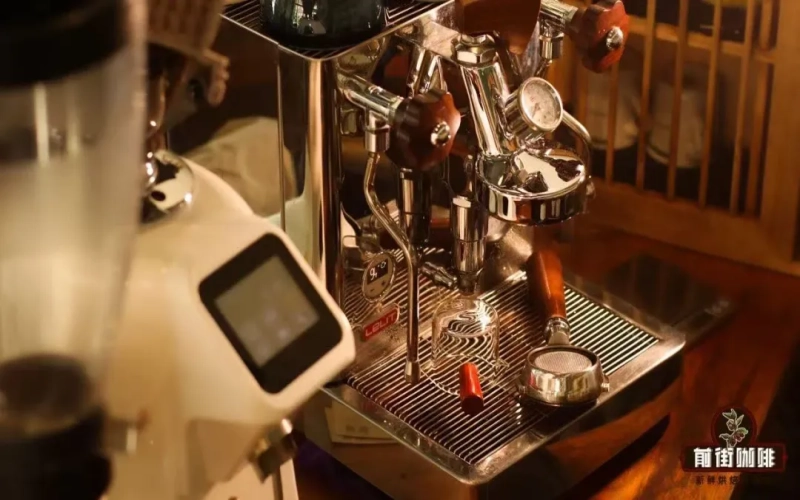
Espresso Machine Gasket Replacement Tutorial: Causes of Unstable Pressure, Weakened Steam, and Coarse Milk Froth, Plus Deep Cleaning Methods for the Whole Machine
Erratic pressure during extraction, weakening steam, and milk foam that just won't froth up no matter what—these problems are often not a sign of declining skill, but rather that your espresso machine is due for maintenance. Drawing on Front Street's practical experience, this article systematically lays out the daily and deep cleaning routines for espresso machines: including flushing hot water before and after extraction, wiping the steam wand, backflushing, soaking the steam tip to remove scale, as well as how to judge when the group head gasket is wearing out and how to replace it yourself. It also covers the key cleaning points and recommended intervals for the water tank, boiler, and portafilter, helping you keep your espresso machine producing consistent shots and extend its service life. [more…]
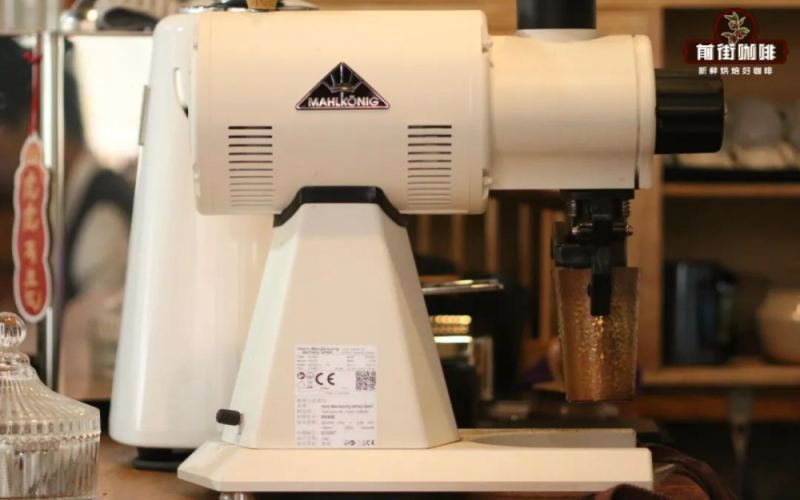
Proper Operation Guide for Electric Coffee Grinders: Practical Tips for Adjusting Dose and Grind Size, and Daily Maintenance Methods
With the growing popularity of home coffee equipment, more and more people are choosing to use a pour-over kettle paired with a small electric grinder to make freshly ground coffee at home. However, using an electric grinder is not simply a matter of plugging it in, turning it on, and dumping in beans—some improper operating habits not only affect the coffee's flavor but can also shorten the grinder's lifespan. Drawing on Front Street Coffee's practical experience, this article shares several key tips for using an electric burr grinder, including "rinsing the burrs" before grinding to avoid flavor transfer, starting the machine before adding beans to protect the burrs, and daily quick cleaning plus periodic deep cleaning as maintenance methods. Whether you are a complete beginner or someone who has been using an electric grinder for a while, these details can help you get the most out of your grinder and keep every cup of coffee tasting consistently good. [more…]
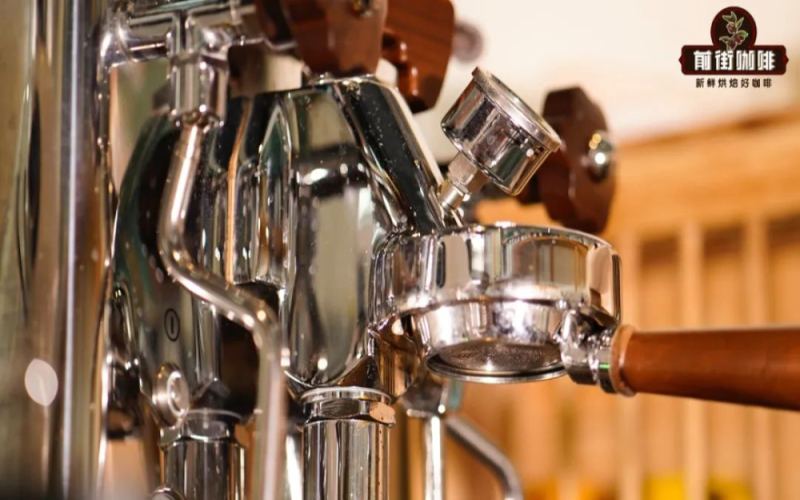
Daily Maintenance Guide for Espresso Machines: Detailed Explanation of Correct Cleaning Steps for the Dispersion Screen and Steam Wand
If a home espresso machine is neglected for a long time, extraction quality will gradually decline and may even lead to malfunctions. Using hands-on operation as an example, this article systematically explains how to clean the key parts of a coffee machine. It covers the simple rinsing and deep backflushing process for the dispersion screen, techniques for wiping the steam wand surface and soaking the tip, and key points for cleaning the portafilter spout area. Through regular maintenance, you can effectively extend the machine's lifespan and avoid costly repairs. The steps in the article are clear and suitable for coffee enthusiasts to follow on their own. [more…]
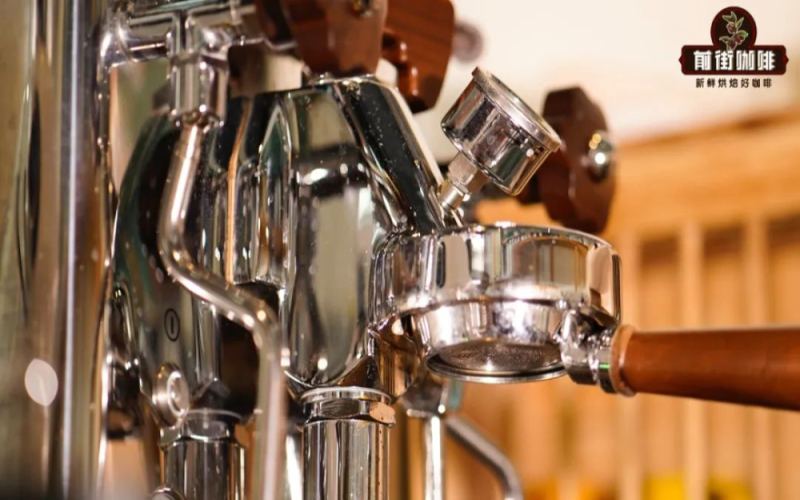
Daily Maintenance Guide for Espresso Machines: How to Properly Clean the Brew Head Shower Screen and Steam Wand
If a coffee machine lacks maintenance for a long time, extraction quality will gradually decline and may even cause malfunctions. This article takes the small espresso machine used in Front Street stores as an example to systematically explain the complete process of daily cleaning and deep maintenance for home coffee machines. The content covers key steps such as simple rinsing of the brew head dispersion screen and blind basket backflushing, wiping the steam wand surface and soaking the tip for descaling, and deodorizing the portafilter spout area. The article explains in detail the amount of special cleaning powder to use, control of backflush time and number of cycles, and precautions to avoid damaging the pressure relief valve. No matter what model is used, this method is basically universal, helping coffee enthusiasts maintain their machines at low cost and reduce the risk of needing repairs. [more…]